
Dry Clean vs Wash: How to Know Which One Your Clothes Really Need
Should I dry clean or wash it? Here's a clear, practical guide to the real difference between dry cleaning and laundry, so your favorite garments last longer and look their best.

Dry Cleaning vs Washing: What's the Real Difference?
At its core, the difference between dry cleaning and laundry comes down to one thing: water. Washing machines use water, detergent, and agitation to lift dirt and stains from fabric. Dry cleaning uses a specialized liquid solvent instead of water, along with much gentler mechanical action, to clean garments without exposing them to moisture.
This distinction matters because water can cause certain fabrics to shrink, stretch, bleed color, or lose their shape. Dry cleaning was developed specifically to clean these delicate materials safely, which is why the two methods aren't interchangeable, they're complementary tools for different types of garments.
How Dry Cleaning Works (And Why It's Gentler on Some Fabrics)
Professional dry cleaning uses a solvent, most commonly a modern, eco-conscious alternative to older chemicals, that dissolves oils and grease without saturating the fibers with water. Garments are placed in a specialized machine that circulates the solvent gently, then extracts it, leaving clothes clean and structurally intact.
Because there's no water involved, natural fibers like silk, wool, and delicate synthetics keep their drape, sheen, and shape. This is why tailored jackets, structured dresses, and fine fabrics are almost always labeled for dry cleaning rather than machine washing.
How Washing (Wet Cleaning) Works
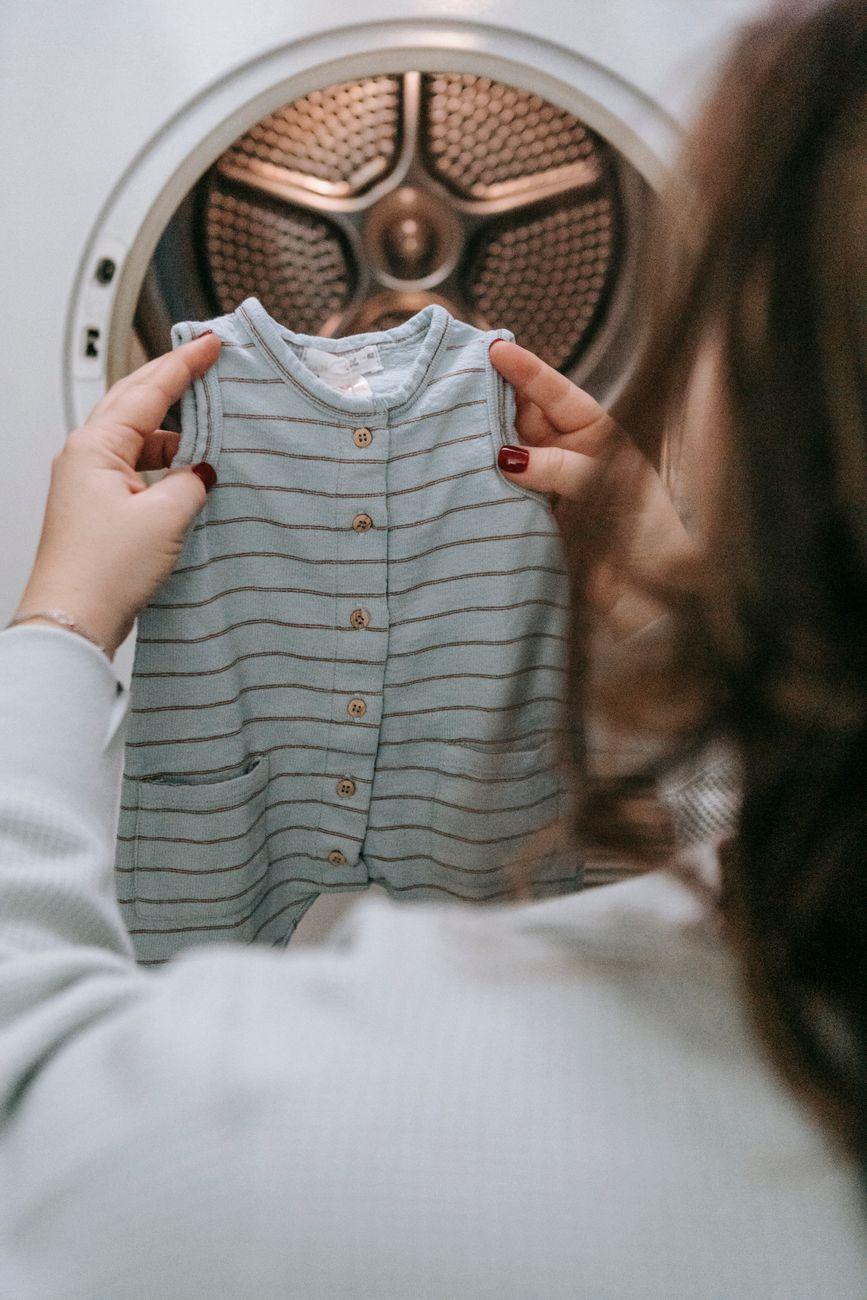
Traditional washing relies on water combined with detergent and mechanical movement, agitation, tumbling, or spinning, to break down and rinse away dirt, sweat, and stains. It's highly effective for sturdy, colorfast fabrics that can tolerate moisture and movement without damage.
Modern washing machines also offer wet cleaning programs designed to mimic some benefits of dry cleaning, using controlled moisture, mild detergents, and reduced agitation. This has blurred the line slightly, but it hasn't eliminated the need for true dry cleaning on more delicate or structured garments.
When to Dry Clean: Fabrics and Garments That Need It
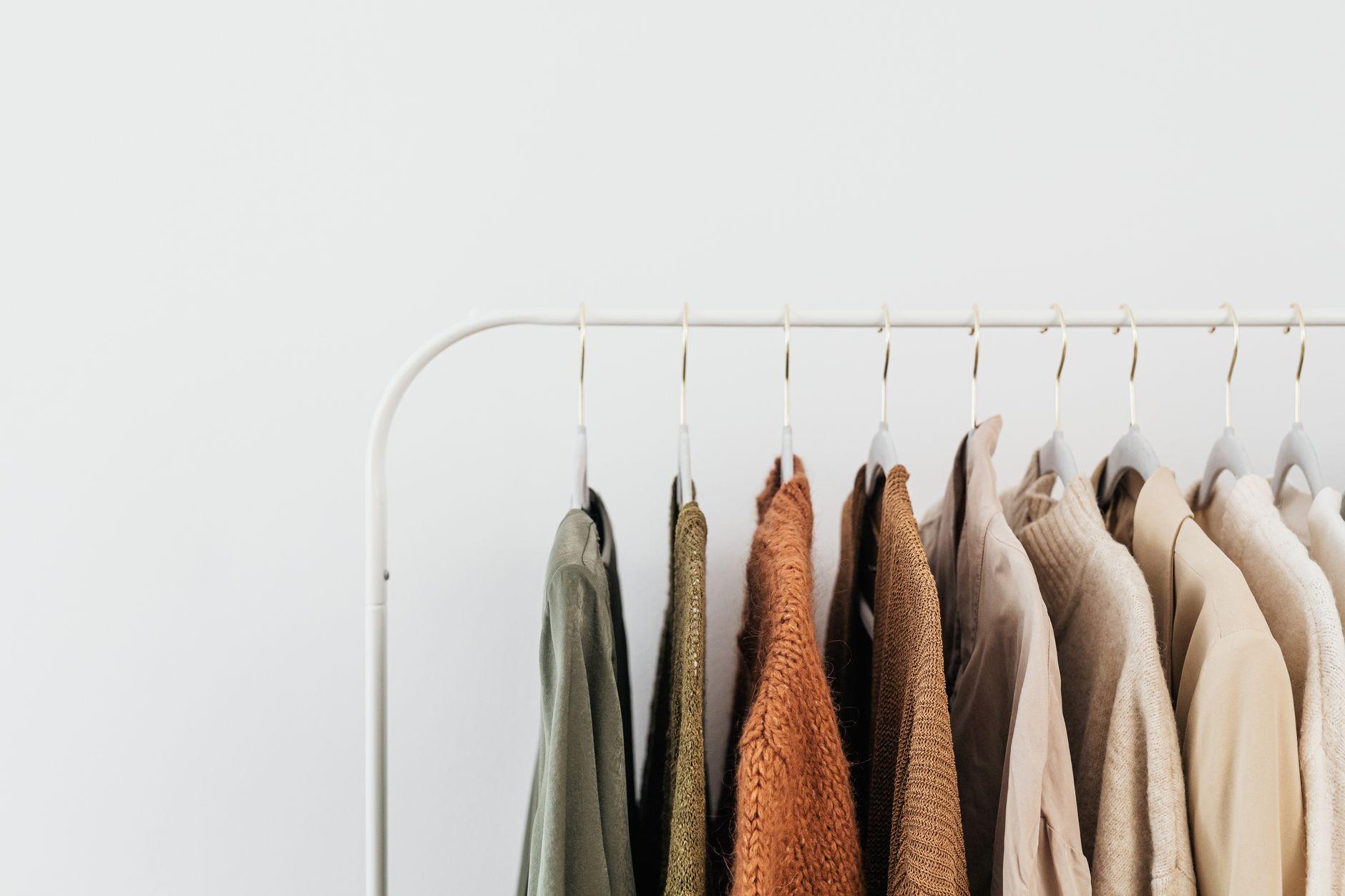
So, when should you dry clean vs wash clothes? As a general rule, dry cleaning is the safer choice for silk blouses, wool suits and coats, tailored blazers, structured dresses, beaded or sequined garments, and anything with linings, padding, or delicate trims. These items rely on their shape and finish, both of which water and agitation can compromise.
A dry clean only care label is your clearest signal. It means the manufacturer has determined that water-based washing carries real risk of shrinkage, color bleed, or fiber damage, so it's worth respecting rather than testing.
When to Wash: Fabrics and Garments Safe for the Washing Machine
Everyday cottons, linens, denim, athletic wear, and most casual synthetics are generally safe for the washing machine. These fabrics are woven to withstand regular laundering and typically hold their shape and color well through repeated wash cycles.
Bedding, towels, and everyday t-shirts fall firmly into this category too. If a care label lists a machine wash symbol or recommended water temperature, you can confidently skip the dry cleaner and use your washing machine at home.
How to Read Care Labels Correctly
Care labels use standardized symbols: a circle means dry clean, a tub of water means machine or hand wash, and an X through either symbol means avoid that method entirely. Learning these basics answers most of your can I wash dry clean only clothes questions before you even start sorting laundry.
Can dry clean only clothes be washed by hand? Occasionally, with sturdier natural fibers and extreme care, but it's a genuine risk, not a guarantee. And what happens if you wash something that says dry clean only? You may see shrinkage, warping, color loss, or a ruined structured lining, damage that's often permanent and rarely worth the gamble on a garment you value.
The right care label isn't a suggestion, it's a roadmap for keeping your best garments looking their best.
Ready to simplify your laundry?
Schedule your free pickup today and experience the difference.