
Sweater and Wool Coat Care: A Seasonal Guide to Keeping Wool Looking Its Best
From washing wool sweaters at home to knowing when your coat needs professional dry cleaning, here is how to protect your wool wardrobe through every season of wear.
Why Wool Needs Special Care
Wool is a natural fiber with a unique structure: each strand is covered in microscopic scales that can catch, felt, or shrink when exposed to heat, agitation, or harsh detergent. This is what gives wool its warmth and resilience, but it also means standard washing machine cycles can permanently damage a garment in minutes.
Cashmere sweater care requires even more attention, as cashmere fibers are finer and more delicate than sheep's wool. Understanding these differences is the first step toward keeping your sweaters and coats looking refined for years rather than months.

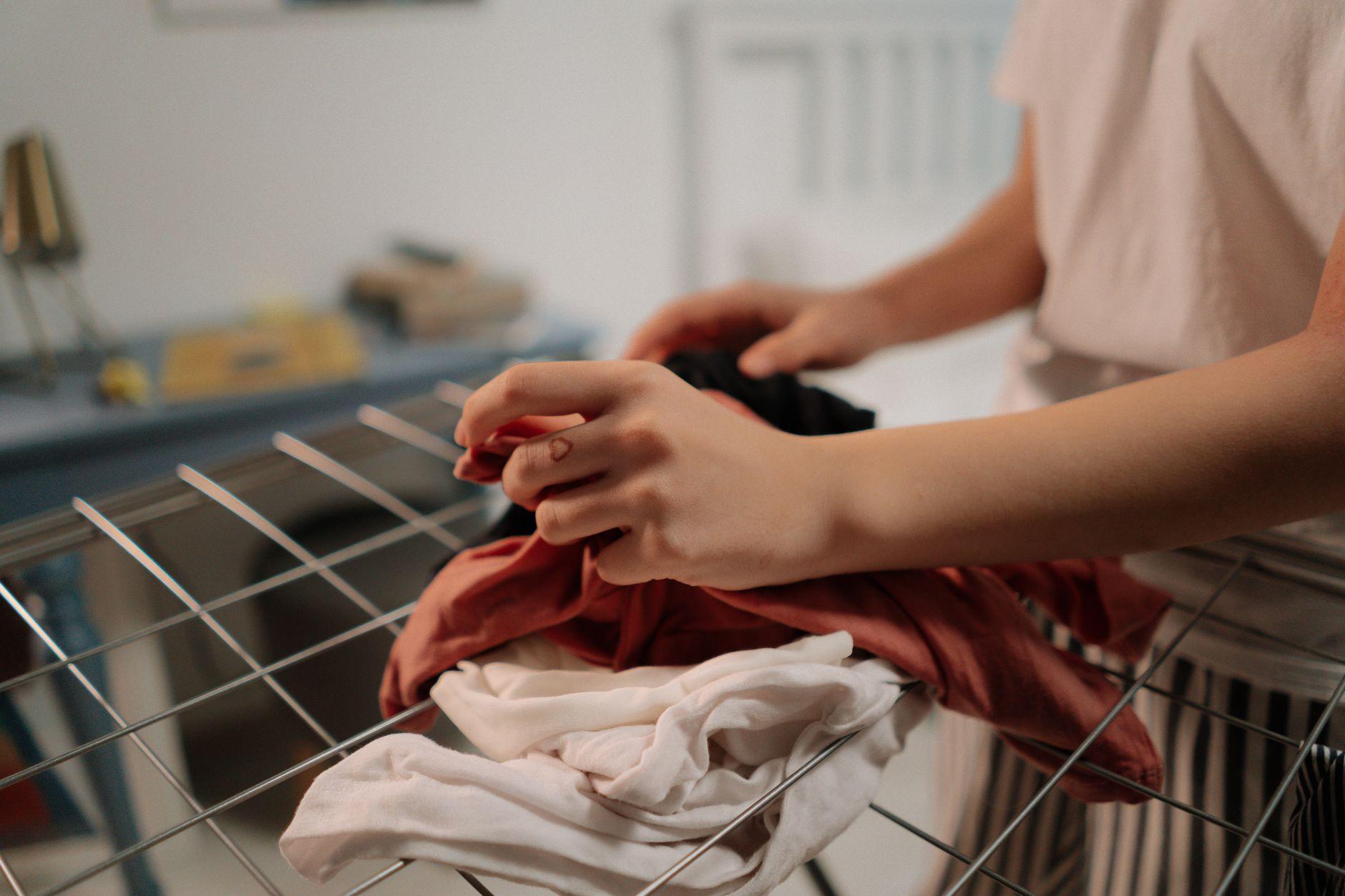
How to Wash Wool Sweaters at Home
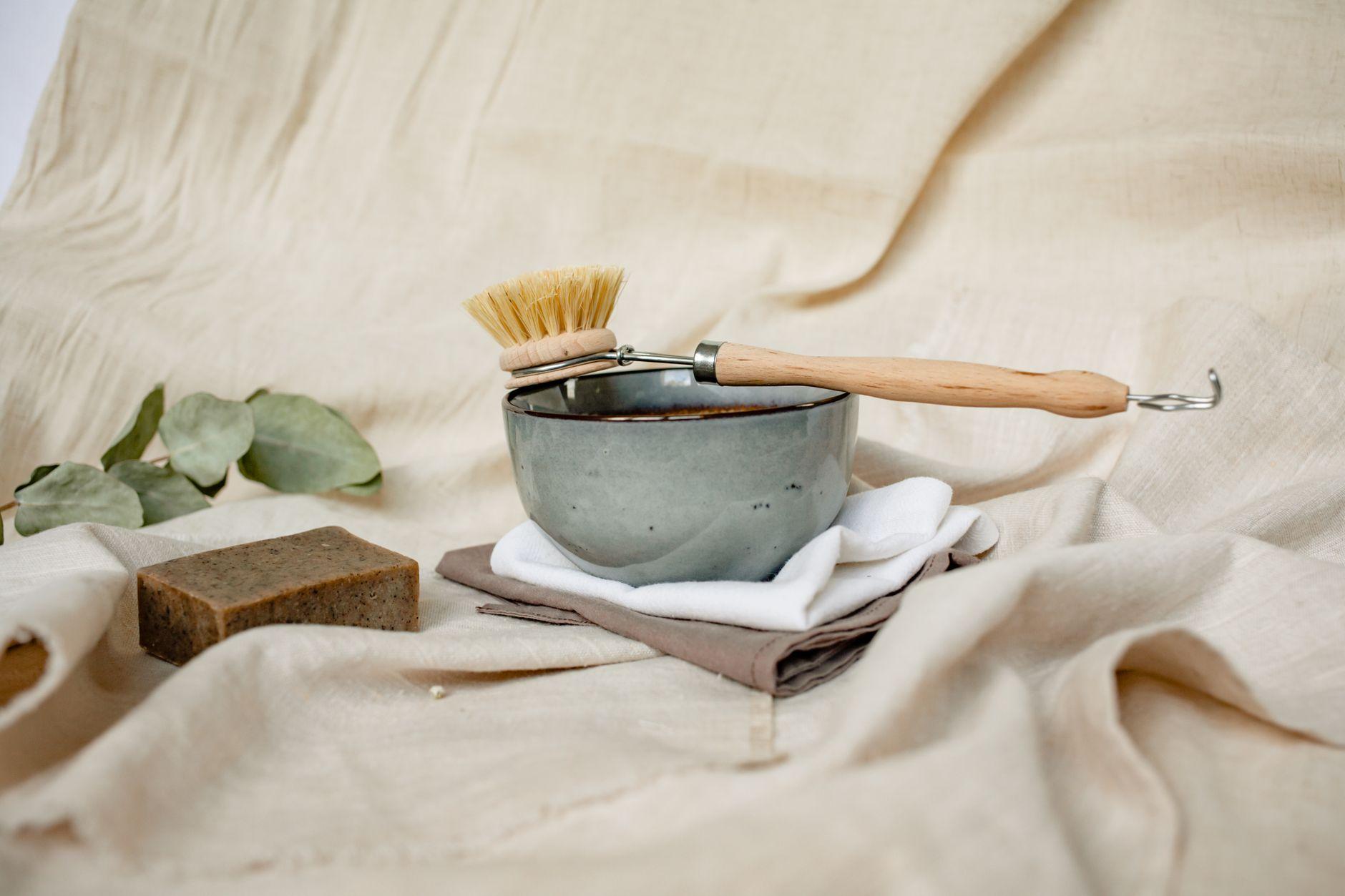
Many wool sweaters can be safely hand washed, provided you follow a few key steps. Turn the sweater inside out, use cool water and a wool-specific detergent, and gently press suds through the fabric without rubbing or twisting. Rinse thoroughly with cool water until all soap is removed.
Does washing wool sweaters shrink them? It can, but shrinkage is almost always caused by heat and agitation rather than water itself. Hot water opens and roughens the fiber scales, causing them to interlock and felt. Stick to cool temperatures, minimal handling, and a flat-dry finish to keep your sweater's original shape and size intact.
When to Dry Clean Your Wool Coat
Can you wash a wool coat at home? In most cases, no. Coats are typically interlined, structured, and tailored, which means water and agitation can warp the shape, shrink the shell, or damage the lining in ways that are difficult to reverse. Wool coat dry cleaning is the safer, more reliable choice for maintaining fit and finish.
How often should you dry clean a wool coat? For most wearers, once per season, or roughly every 15 to 20 wears, is sufficient. Over-cleaning can strip natural oils from the fiber, while under-cleaning allows oils, odors, and ground-in dirt to set. A trusted dry cleaner can also spot early signs of wear, such as loose seams or thinning fabric, before they become bigger problems.
Removing Stains and Odors from Wool
Fresh stains should be blotted, never rubbed, with a clean cloth to lift as much of the substance as possible before it sets into the fiber. For oil-based marks or stubborn stains, professional spot treatment is far safer than home remedies, which can leave rings or weaken the fabric.
Odors are best addressed with gentle airing rather than heavy fragrance sprays. Hang the garment in a well-ventilated space away from direct sunlight for a few hours; this is often enough to refresh wool between cleanings. Persistent odors, especially smoke or mildew, usually call for professional attention.
Drying and De-Pilling Techniques
Always dry wool sweaters flat on a clean towel, reshaping them gently as they dry to preserve their original cut. Never hang wet wool, as the weight of the water will stretch the fibers and distort the garment permanently.
To remove pilling from a sweater, use a fabric shaver or a fine-toothed comb in gentle, even strokes, working in one direction. This lifts the small balls of fiber without pulling threads or thinning the knit. Regular, light de-pilling after each wear keeps sweaters looking newer for much longer.
Proper Storage to Prevent Moths and Stretching
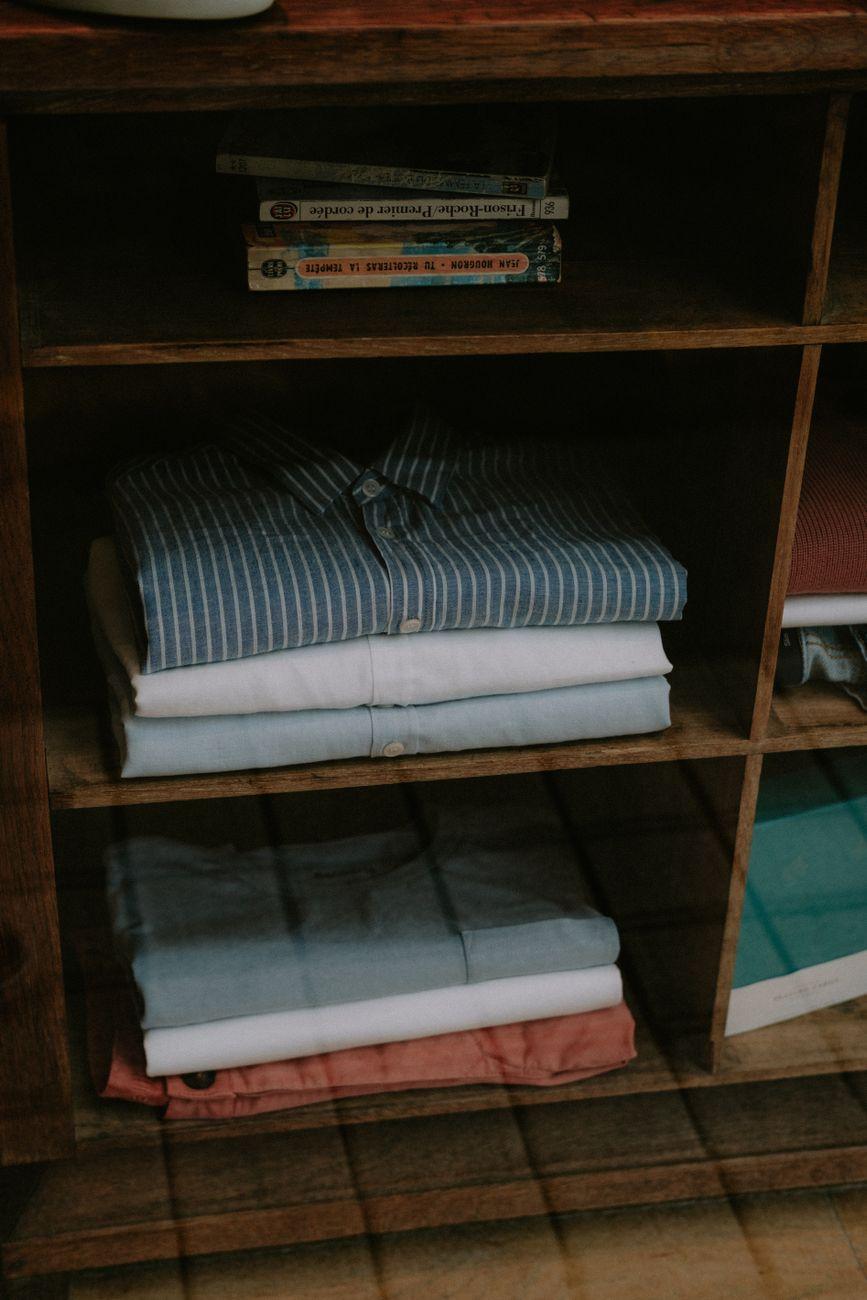
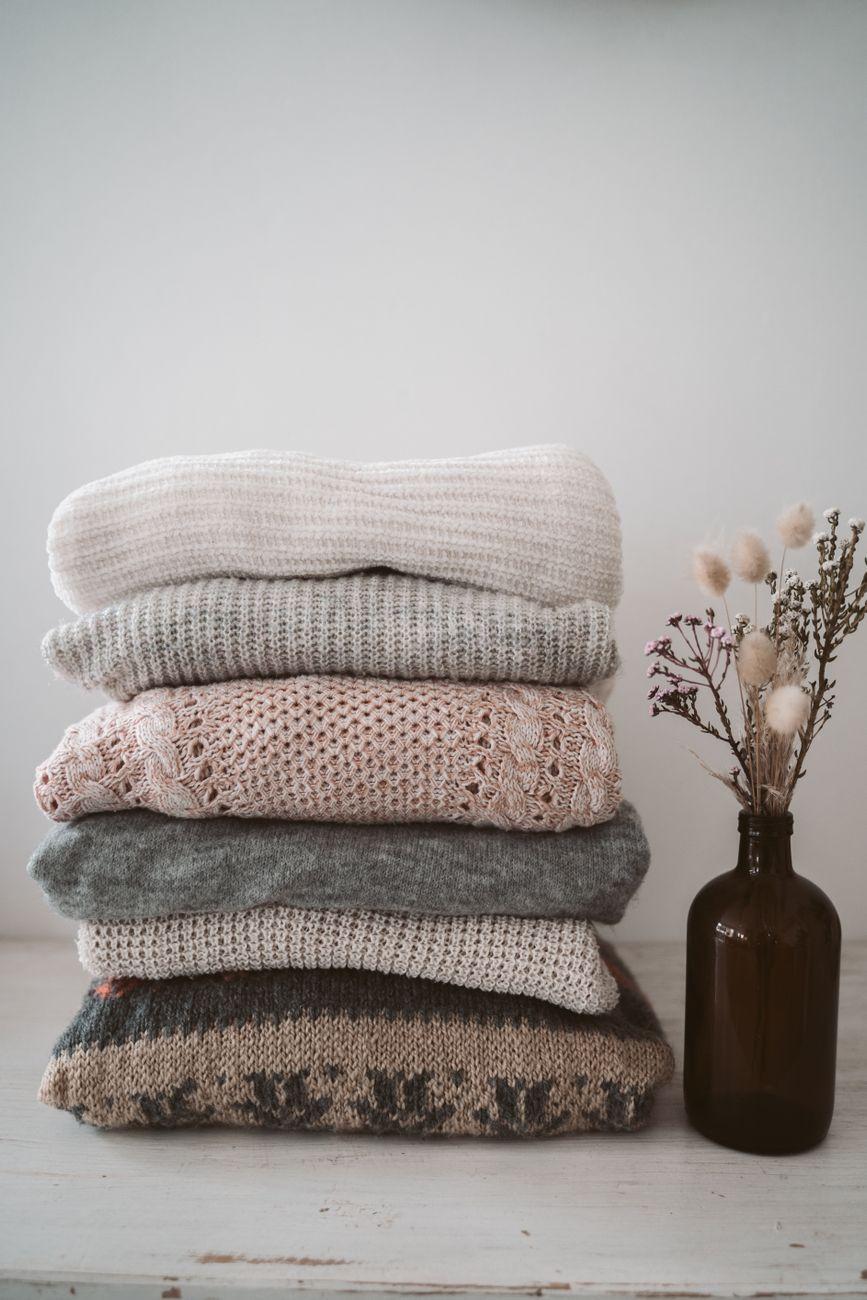
Knowing how to store wool sweaters properly is essential to protecting your investment between seasons. Always fold sweaters rather than hanging them, since hangers can stretch the shoulders and neckline out of shape over time. Store them in a cool, dry space with good airflow.
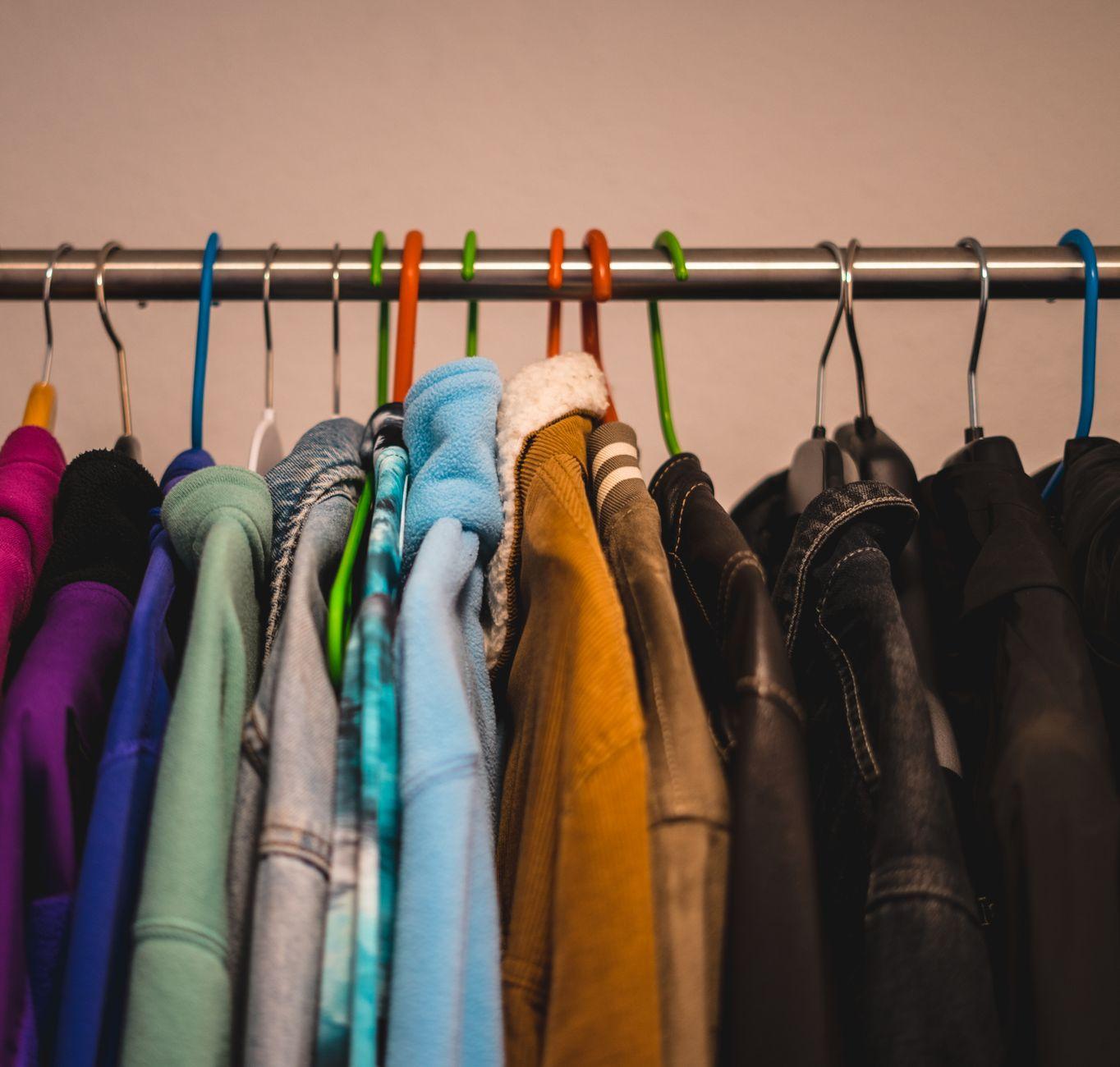
For wool coat storage, use padded or wide wooden hangers that support the shoulder structure, and cover garments with breathable fabric bags rather than plastic, which traps moisture. Cedar blocks or lavender sachets are natural, effective deterrents against moths, and a quick clean before storage removes the food residue and body oils that attract them in the first place.
Wool rewards patience: a little care after every wear preserves years of warmth and structure.
Ready to simplify your laundry?
Schedule your free pickup today and experience the difference.