
The Seasonal Wardrobe Transition Done Right: A Guide to Smarter Closet Swaps
A seasonal wardrobe transition is more than swapping sweaters for sundresses. Learn how to store clothes seasonally, protect garments from damage, and keep every piece ready for its next season.
Why a Seasonal Wardrobe Transition Matters
A thoughtful seasonal wardrobe transition does more than free up closet space. It protects your investment in quality garments, extends their lifespan, and ensures everything you own emerges from storage looking as good as the day you packed it away.
Rushed or careless closet swaps are often where damage begins. Stains set permanently, fabrics weaken from improper folding, and pests find their way into bins left unchecked for months. Treating this changeover as a deliberate process, rather than an afterthought, is the foundation of a well-maintained wardrobe.
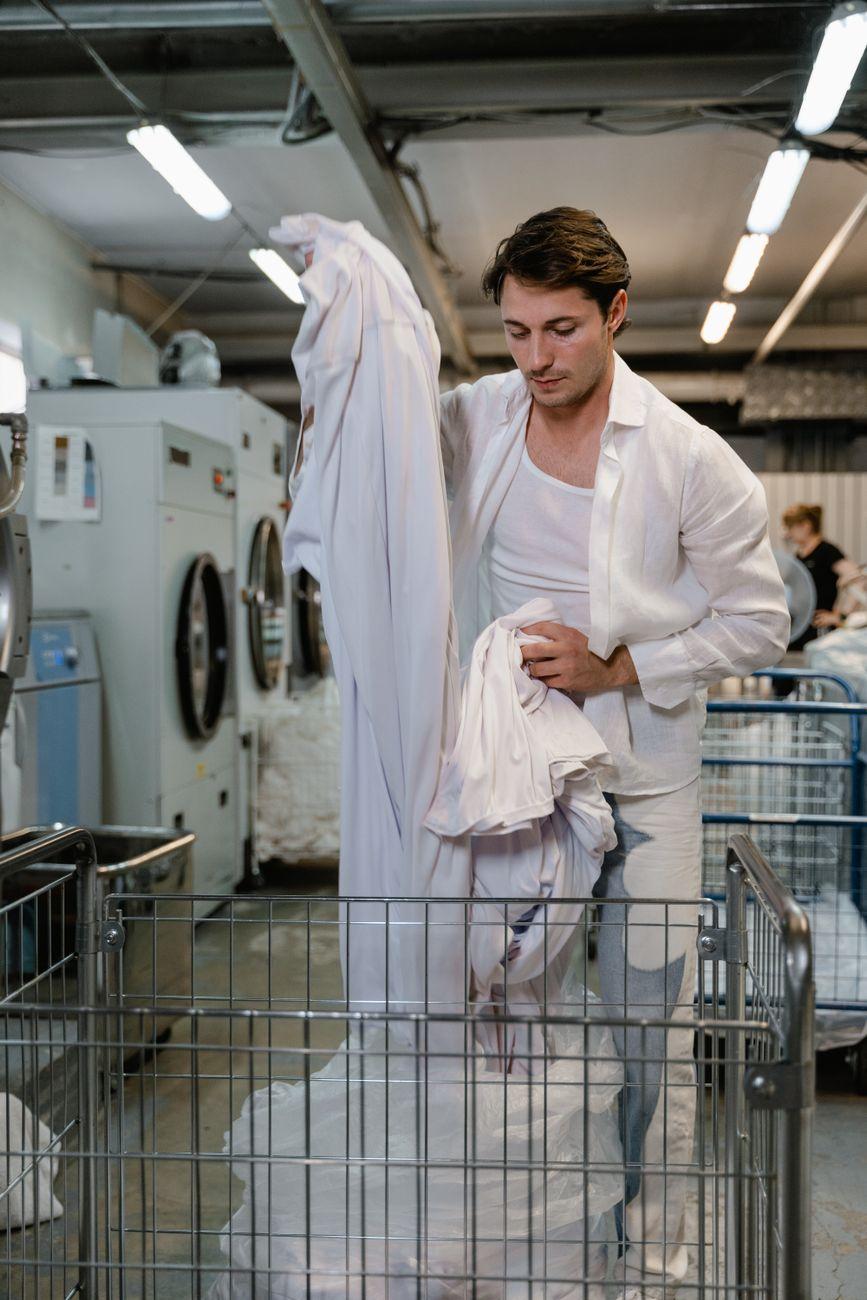



A seasonal wardrobe transition isn't just about swapping clothes. It's about protecting every garment until its season comes back around.
Clean Before You Store: The Golden Rule
Why should you clean clothes before storing them seasonally? Because invisible residues, body oils, and faint stains become much harder to remove the longer they sit, and they actively attract pests. Moths and silverfish are drawn to the organic residue left on worn garments, not necessarily the fabric itself.
Before anything goes into storage, every item should be freshly laundered or professionally dry-cleaned according to its care label. This single step prevents yellowing, odor, and set-in stains that no amount of cleaning will fully reverse after months in a bin.
Step-by-Step Guide to Transitioning Your Closet
Start by sorting everything into three piles: keep in rotation, store for next season, and donate or repair. This is the moment to be honest about what you actually wear. A disciplined edit now makes garment storage before closet swap far simpler and prevents clutter from migrating into the new season.
Next, clean every piece destined for storage, repair any loose buttons or small tears, and choose appropriate storage containers. Finally, label bins clearly by category and season so your spring wardrobe changeover next year takes minutes, not hours.
How to Properly Store Out-of-Season Clothing
What is the best way to store winter clothes in summer? Breathable garment bags and cotton storage containers are far superior to sealed plastic, which traps moisture and encourages mildew. Knitwear should be folded rather than hung, since the weight of wool sweaters on a hanger causes stretching at the shoulders over time.
Store items in a cool, dry, dark location away from direct sunlight and temperature fluctuations, such as a spare closet shelf or under-bed container with ventilation. Avoid attics and basements where humidity swings are common, as these conditions accelerate fabric breakdown and mold growth.
Ready to simplify your laundry?
Schedule your free pickup today and experience the difference.