
The Art of the Seasonal Closet Swap: A Care Guide for Lasting Garments
Switching your wardrobe between seasons is more than folding sweaters into bins. Learn how to store clothes seasonally, protect delicate fabrics, and why professional dry cleaning is the secret to garments that look new year after year.
Why Proper Care Matters When Switching Seasonal Wardrobes
A seasonal closet swap is a natural checkpoint in caring for your wardrobe, but it's often treated as an afterthought. Garments pulled straight from a summer of wear, or stored without proper preparation, are far more vulnerable to damage during their months in storage.
How do I store clothes when switching seasons? The short answer is: never store them dirty, never store them carelessly, and never assume time in a box is harmless. Stains, body oils, and moisture left untreated can set permanently and attract pests, while poor folding and airtight containers invite creasing and mildew. Treating the transition with the same care you give your favorite coat when you wear it is what separates a wardrobe that lasts for years from one that needs replacing every few seasons.

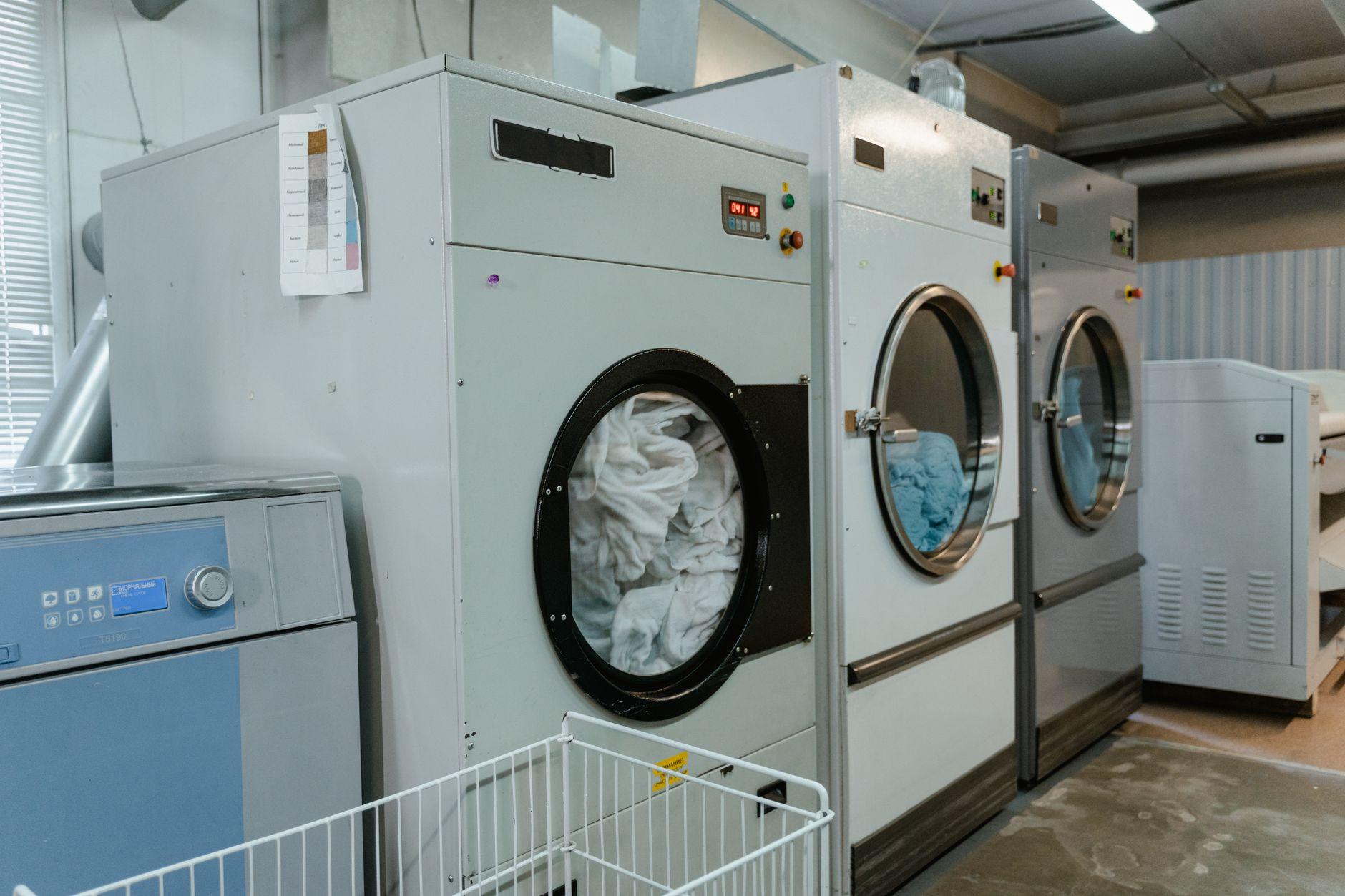
Step 1: Clean Every Garment Before Storage
Should I dry clean clothes before storing them? Yes, without exception for anything structured, tailored, or fabric-sensitive. Garment storage before dry cleaning should never happen in reverse order. Even invisible residue from perfume, skin oils, or food can oxidize over months, turning into stains that are impossible to remove later.
Before anything goes into a bin or garment bag, every piece should be laundered or professionally cleaned according to its care label. This is especially true for wool, silk, and structured outerwear, where at-home washing can do more harm than good. A proper clean before storage protects fabric integrity and ensures you're not opening a box next season to find yellowed collars or faint stains that have set in permanently.
Step 2: Choose the Right Storage Containers and Materials
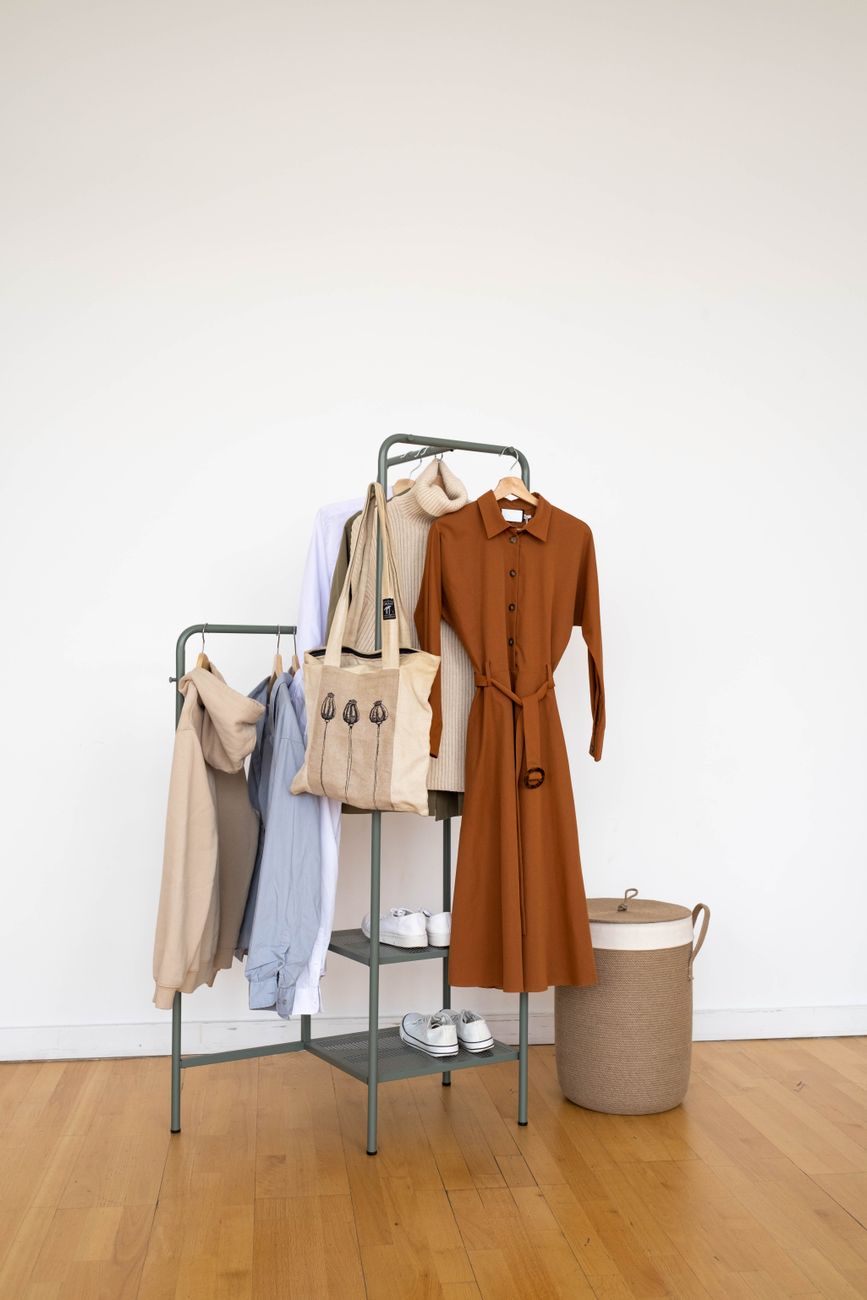
Clothing storage tips almost always come down to airflow and material choice. Plastic bins with tight seals may seem protective, but they trap humidity and encourage mildew, especially in basements or garages with fluctuating temperatures. Breathable cotton garment bags, acid-free tissue paper, and cedar blocks are far better companions for off-season clothing storage.
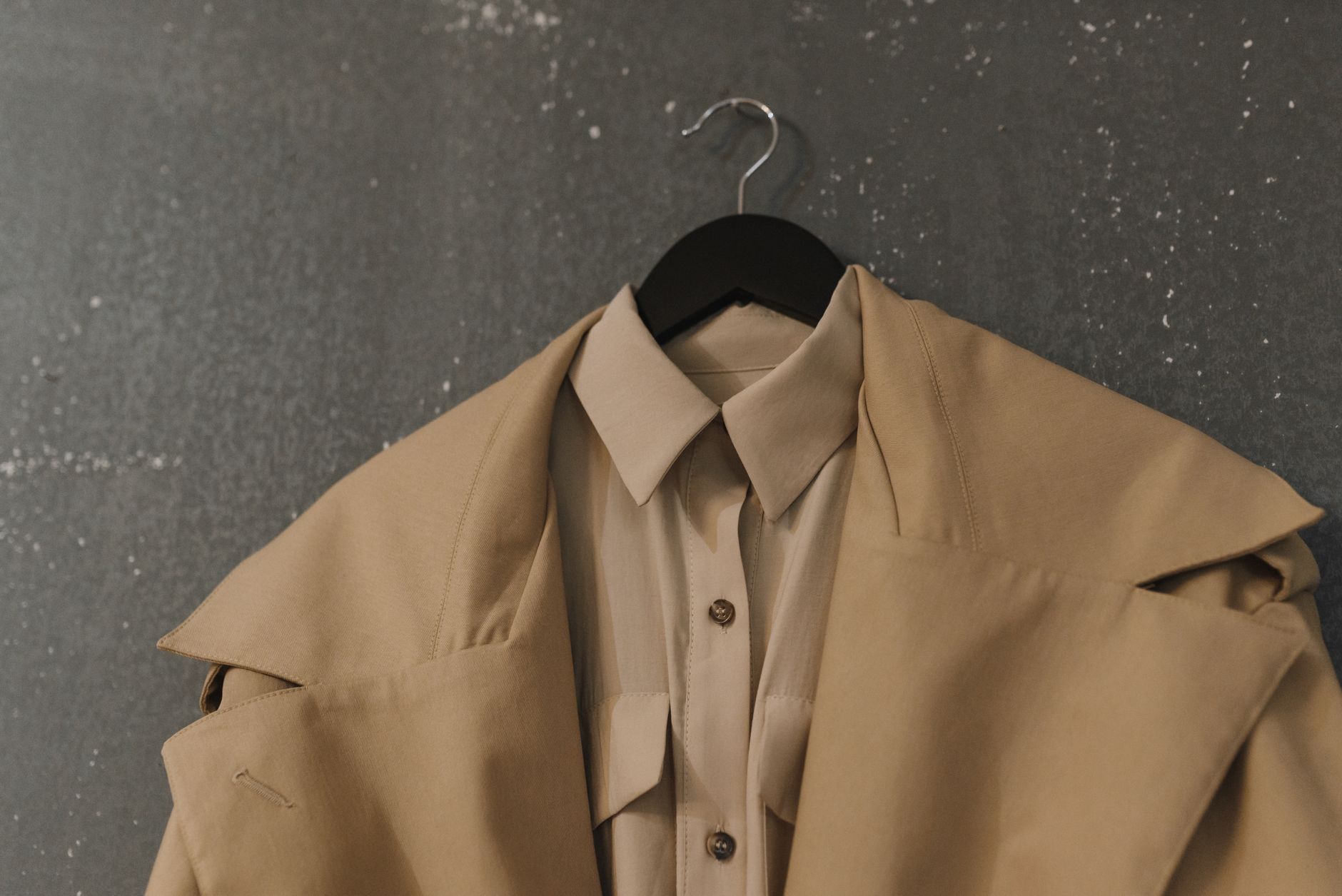
Fold heavier knits rather than hanging them to avoid stretching at the shoulders, and use padded or wide hangers for structured items like blazers and coats. Whatever container you choose, keep it out of direct sunlight and away from damp areas, and revisit stored items midway through the season to confirm everything remains dry and pest-free.


Step 3: Protect Delicate and Specialty Fabrics
What is the best way to store winter coats in summer? Start with a thorough professional clean to remove salt stains, moisture, and road grime accumulated over the cold months. Once cleaned, coats should be stored in breathable garment bags, ideally with cedar or lavender sachets to deter moths, and hung in a cool, dry closet rather than compressed into a bin.
Specialty fabrics such as silk, cashmere, fur, and leather each have distinct needs. Cashmere should be folded and cushioned with tissue to prevent creasing, silk should avoid direct contact with wood hangers that can snag fibers, and leather needs breathable space to prevent drying or cracking. Taking the extra time with these pieces preserves both their appearance and their lifespan.
Common Wardrobe Transition Mistakes to Avoid
The most frequent mistake is storing garments without cleaning them first, assuming a light wear didn't leave anything behind. Close behind is using vacuum-sealed bags for natural fibers, which can crush insulation and encourage moisture buildup rather than prevent it.
Other common errors include hanging heavy sweaters until they lose their shape, overcrowding storage bins so fabrics can't breathe, and forgetting to check on stored items throughout the off-season. Each of these mistakes is avoidable with a little planning, and avoiding them is what keeps your wardrobe transition smooth rather than costly.
How Professional Dry Cleaning Simplifies Seasonal Transitions
Partnering with a trusted dry cleaner before storage removes the guesswork from seasonal wardrobe transition care. Professionals understand exactly how to store clothes seasonally because they see the effects of improper storage every year, from moth damage to permanent staining.
Many dry cleaners also offer seasonal storage services, cleaning and preserving your coats, suits, and specialty garments in climate-controlled conditions until you need them again. This not only frees up closet space but ensures your wardrobe returns to you fresh, pressed, and ready to wear, with none of the surprises that come from a summer spent in a damp garage or overstuffed bin.
A wardrobe transition done right means opening next season's box to find garments as ready to wear as the day you packed them away.

Ready to simplify your laundry?
Schedule your free pickup today and experience the difference.