
Seasonal Wardrobe Transition Care: How to Store Clothes the Right Way
A well-planned seasonal closet swap protects your investment pieces from moths, mildew, and fading. Here's how to clean, sort, and store your wardrobe properly between seasons.
Why Proper Care Matters When Switching Seasonal Wardrobes
Every seasonal wardrobe transition is a quiet test of how well your clothes were cared for all year. Fabrics that go into storage improperly often come out faded, misshapen, or damaged beyond simple refreshing.
Taking the time to store clothes seasonally with care preserves fit, colour, and fabric integrity, so your favourite pieces are ready to wear again without a trip to the tailor or an early retirement to the donation pile.
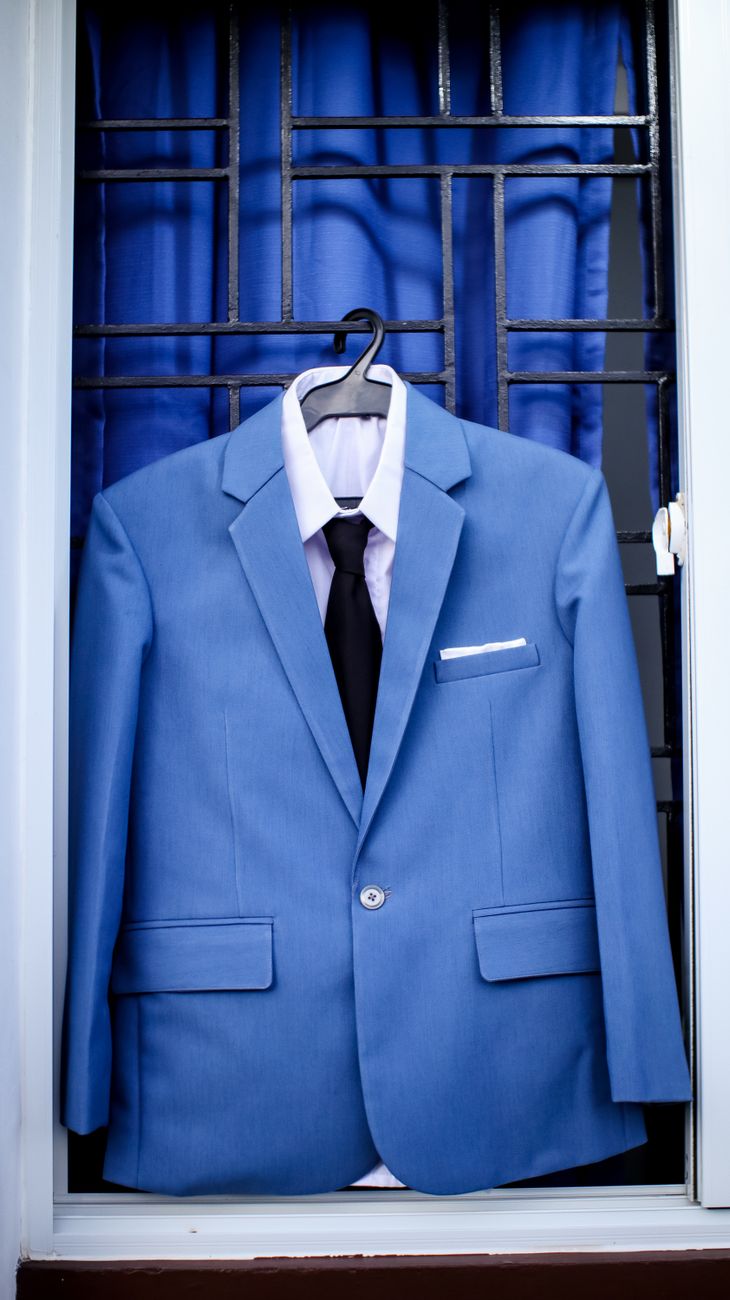
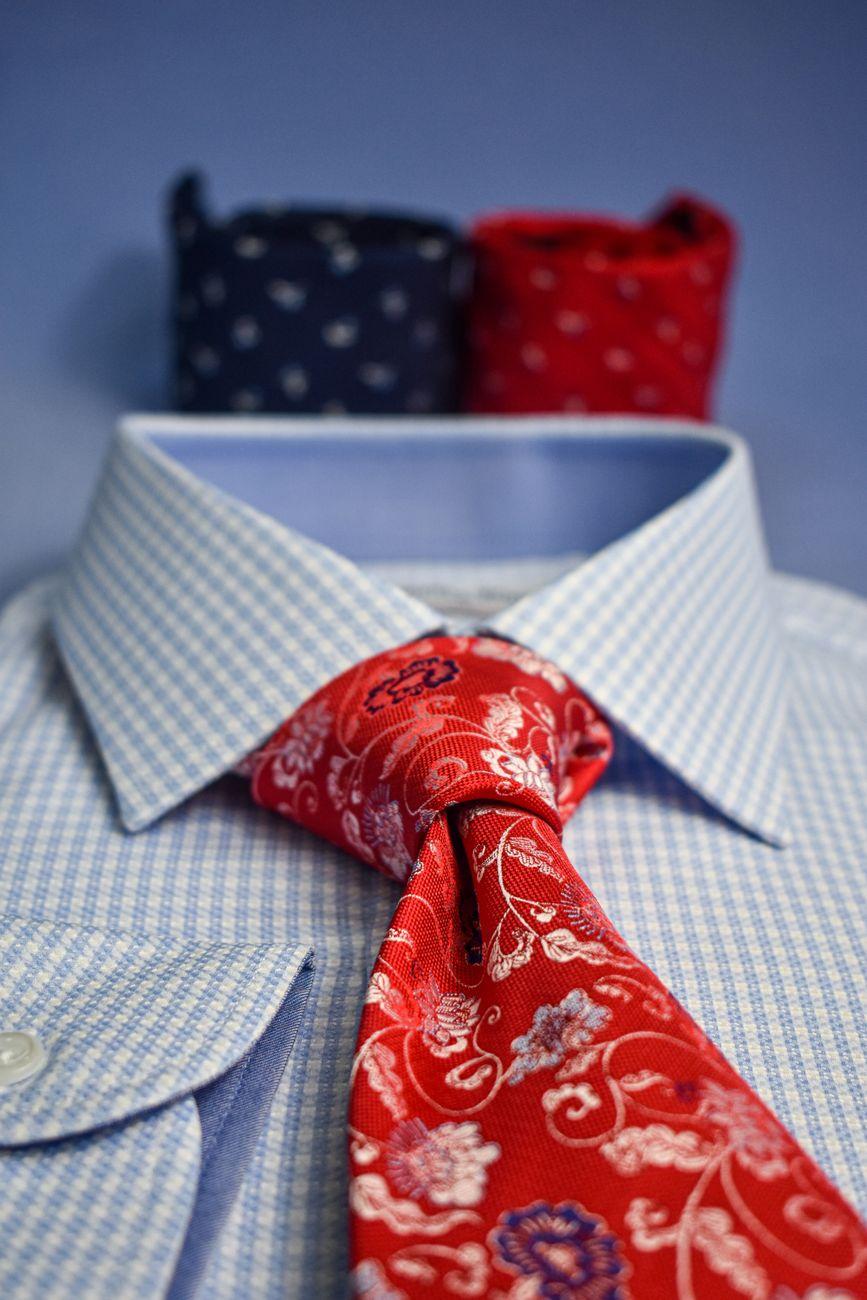


Clean Before You Store: The Non-Negotiable First Step
Yes, you should always wash or dry-clean clothes before putting them into storage. Even garments that look clean can hold traces of body oils, perfume, and food residue, all of which attract pests and set into permanent stains over time.
This step matters most when storing winter clothes for summer. Wool sweaters, coats, and knitwear held over several warm months are especially vulnerable to moth damage if any organic residue remains. A proper clean before storage is the single most effective way to protect your wardrobe until its next season.
How to Sort Your Closet for Seasonal Transition
A successful seasonal closet swap starts with sorting, not packing. Separate items into three categories: pieces to store, pieces that need repair before storage, and pieces you no longer wear and can donate.
Inspect each garment for loose buttons, small tears, or worn seams. Addressing these now means everything is ready to wear immediately when the season turns again, rather than discovering the damage months later.
A seasonal wardrobe swap is only as good as the care that precedes it. Clean, sort, and store with intention, and your clothes will thank you next season.

Best Practices for Storing Delicate and Bulky Fabrics
Different fabrics need different storage conditions. As a rule, store clothes for the season in breathable garment bags rather than sealed plastic, which traps moisture and encourages mildew.
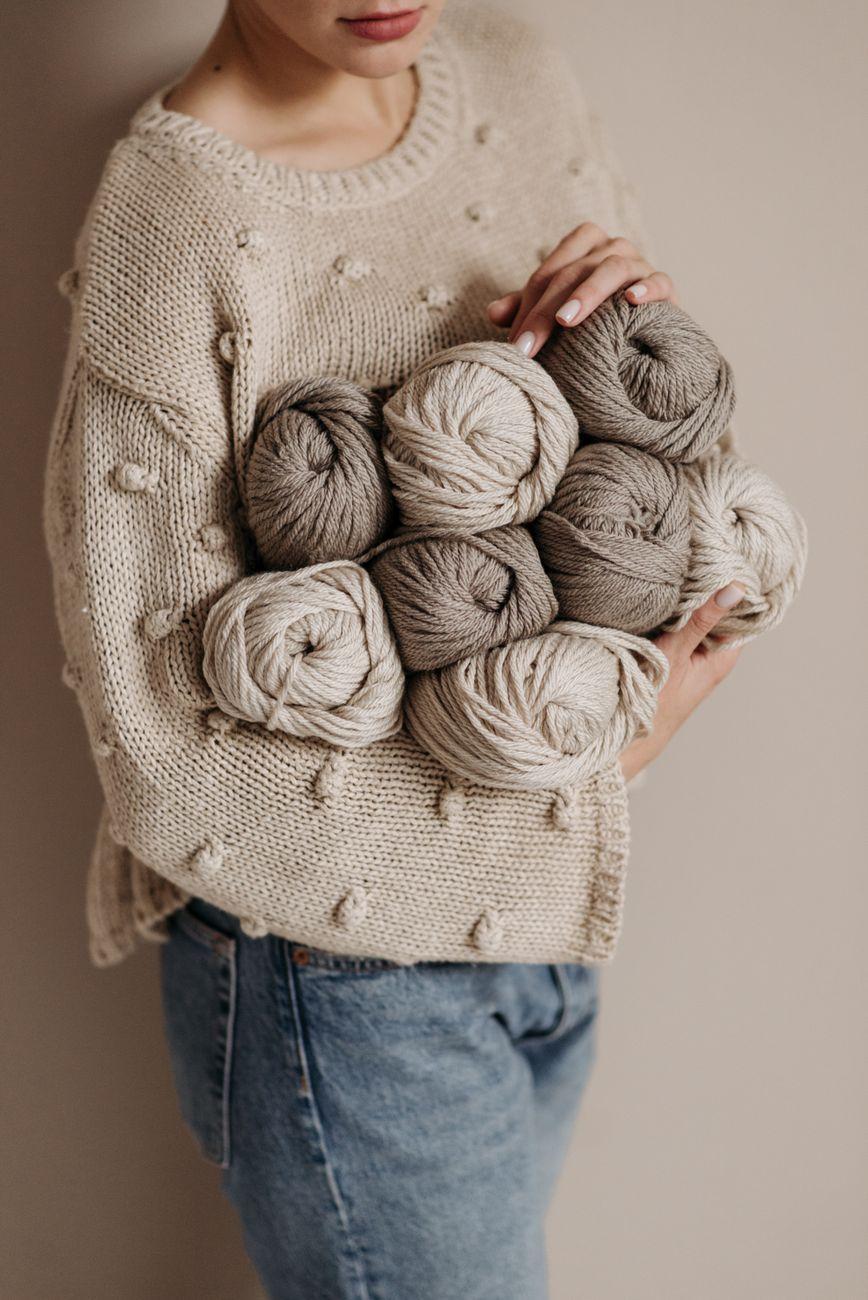
Delicate items such as silk blouses or lace should be folded with acid-free tissue paper to prevent creasing and yellowing. Bulky knits and packing away sweaters requires flat storage rather than hanging, since hanging heavy knitwear stretches the shoulders and distorts the shape permanently. Use breathable cotton storage bags or sturdy boxes with cedar blocks to deter pests naturally.
Common Storage Mistakes That Damage Clothes
The most frequent garment storage mistake is using sealed plastic bags or bins, which lock in humidity and lead to mildew and musty odours. Wire hangers are another culprit, leaving rust marks and stretching shoulder seams over time.
Overpacking storage boxes compresses fabric fibres and causes permanent creasing, while storing anything in direct sunlight or damp basements accelerates fading and mould growth. Choose a cool, dark, dry space instead, and avoid cramming garments too tightly together.
Protecting Wool, Cashmere, and Winter Coats
The best way to store winter coats in summer is to have them professionally cleaned first, then hang them in breathable garment bags in a cool, dry closet, never in a sealed plastic cover. Cashmere and wool sweaters should be folded, not hung, and placed in a breathable container with natural moth deterrents like cedar or lavender sachets.
Check stored winter pieces periodically throughout the warmer months for any signs of pests or moisture. This small habit ensures your coats and knitwear are in pristine condition the moment temperatures drop again.
Ready to simplify your laundry?
Schedule your free pickup today and experience the difference.