
The Complete Guide to Seasonal Wardrobe Transition and Storage
Learn how to store clothes seasonally, protect delicate fabrics, and keep your closet organized year-round with expert tips on cleaning, containers, and professional storage services.

Why Seasonal Wardrobe Transitions Matter
A thoughtful wardrobe rotation guide does more than free up closet space. Garments stored improperly can develop creases, odors, or fabric damage that shortens their lifespan, while a well-executed transition protects your investment and keeps favorite pieces ready to wear when the weather turns.
Beyond preservation, a seasonal changeover gives you the chance to assess what you actually wear, edit out pieces that no longer serve you, and start each season with a closet that feels curated rather than cluttered.
When to Switch Your Closet (Timing by Climate)
There is no single calendar date that works for everyone. In regions with distinct seasons, most people shift their winter to summer closet change around late spring, once overnight temperatures stabilize above 60 degrees. In milder or more variable climates, a lighter rotation with layering pieces kept accessible year round often makes more sense.
Watch local weather patterns rather than the calendar. A good rule: if you have not worn a garment in three weeks and the forecast shows no reason to, it is ready for off-season clothing storage.

Step-by-Step: Cleaning Clothes Before Storage
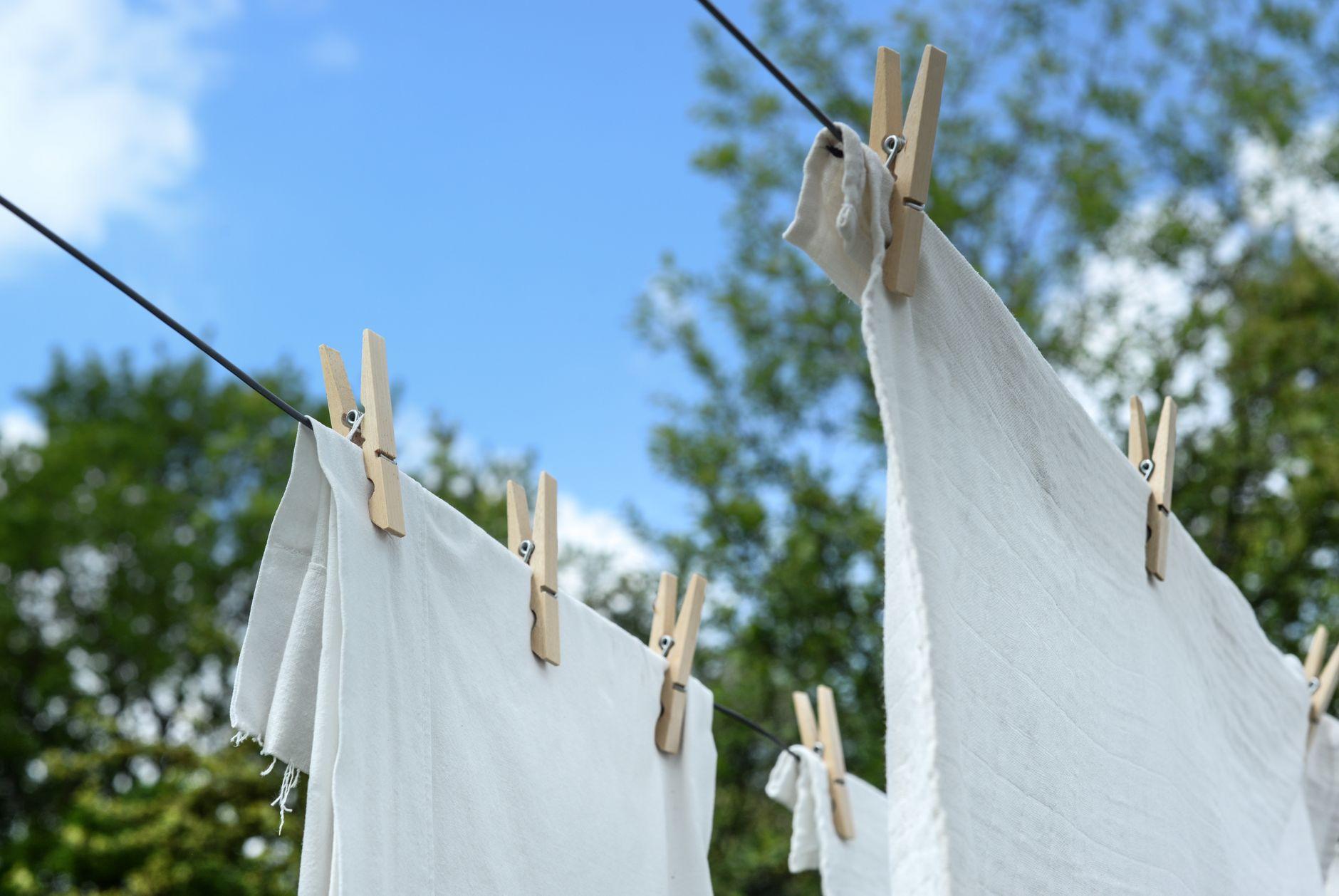
Should you dry clean clothes before storing them for the season? Yes. Even garments that look clean can harbor body oils, perspiration, and food residue invisible to the eye. These substances attract pests and can oxidize over time, leaving yellowed stains that are far harder to remove months later.
Before packing anything away, launder washable items according to their care label and have wool, silk, and structured pieces professionally dry cleaned. Make sure everything is completely dry before storage, as any residual moisture invites mildew and musty odors.
Best Storage Methods and Containers
What is the best way to store clothes long-term? Breathable storage is essential. Cotton garment bags, acid-free tissue paper, and sturdy cardboard or fabric bins allow air circulation while keeping dust and light away. Avoid sealed plastic bags for extended periods, as trapped moisture can lead to mold.
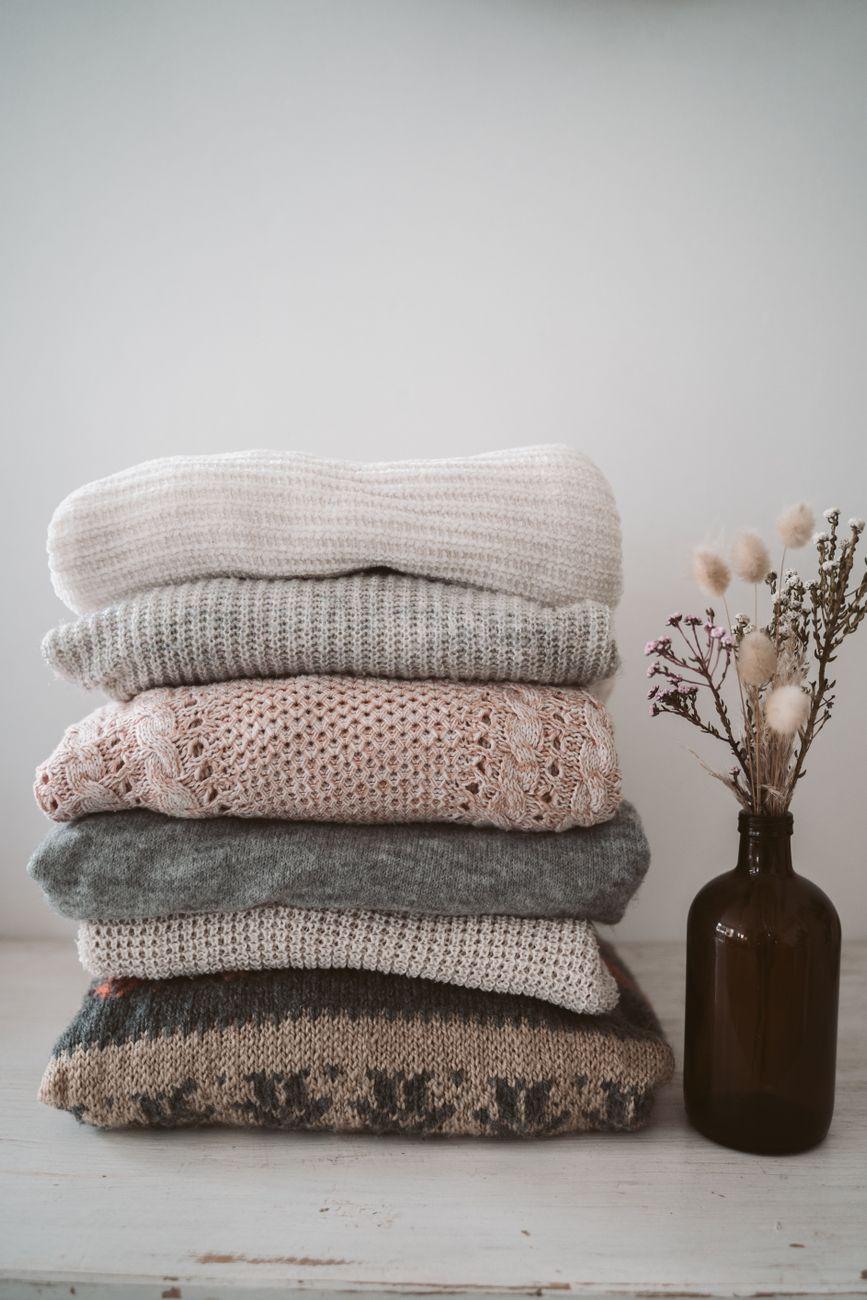
Fold heavy knits and sweaters rather than hanging them, since hangers can stretch the shoulders out of shape over time. Structured items like coats and blazers do better on padded hangers inside breathable garment bags. Store containers in a cool, dry, dark place such as a closet shelf or under-bed storage, away from attics or basements where temperature and humidity fluctuate.
Protecting Delicate and Specialty Fabrics
Silk, cashmere, linen, and leather each have particular needs. Silk should be stored flat or loosely folded with acid-free tissue to prevent creasing. Cashmere and wool benefit from cedar blocks or lavender sachets, which naturally deter insects without the harsh chemical smell of mothballs.
How do you keep moths out of stored clothing? Clean every garment before storage, since moths are drawn to food and sweat residue rather than the fabric itself. Add cedar or lavender sachets, check stored items every few months, and avoid storing clothing in damp or dark corners where larvae thrive undisturbed.
For heirloom pieces, formal wear, or anything with sentimental or significant value, a professional clothing storage service offers climate-controlled conditions and specialized handling that home storage cannot always match.
Common Storage Mistakes to Avoid
Many wardrobe mishaps come down to a handful of avoidable errors: storing clothes without cleaning them first, using airtight plastic that traps moisture, overcrowding bins so fabrics cannot breathe, and forgetting to check on stored items until the next season arrives.
Another frequent oversight is using wire hangers, which can rust and leave marks on delicate fabric over time. Taking a little extra care at the start of each transition saves significant time, money, and disappointment later.
A seasonal wardrobe transition is not just about storage, it is about caring for the clothes that carry you through every chapter of the year.
Ready to simplify your laundry?
Schedule your free pickup today and experience the difference.