
Seasonal Wardrobe Transition Storage: A Professional Guide to Protecting Your Clothes Between Seasons
Learn how to store clothes between seasons the right way, from pre-storage cleaning to the best containers, pest prevention, and closet organization for an effortless seasonal swap.

Why Proper Seasonal Wardrobe Storage Matters
Every seasonal wardrobe transition is an opportunity to either protect your investment in quality garments or quietly damage it. Fabrics left in poor conditions over several months can develop creases, odors, discoloration, and structural breakdown long before their time.
Thoughtful off season clothing storage is not simply about freeing up closet space. It is about preserving fit, color, and fabric integrity so that each piece performs exactly as it did the day you bought it, season after season.

Clean Before You Store: The Non-Negotiable First Step
Should clothes be cleaned before storing them for a season? Yes, without exception. Even garments that look clean can hold traces of body oils, sweat, food residue, or perfume, all of which attract pests and cause fabric to yellow or weaken over time.
Clean clothes before storing by laundering or dry-cleaning every item first. This is especially critical for natural fibers like wool, silk, and cotton, which are more vulnerable to staining and insect damage. A professional dry cleaner can also treat stubborn stains before they set permanently during months of storage.

Best Storage Containers and Materials for Each Fabric Type
Choosing the right garment storage solutions depends heavily on fabric type. Breathable cotton garment bags work well for everyday knits and cottons, while acid-free tissue paper helps preserve delicate silks and linens without creasing.
For long-term storage of bulkier items such as coats and sweaters, rigid bins with secure lids offer protection from dust and moisture. Vacuum sealed clothing storage bags are excellent for maximizing space with heavier items like winter coats, but should be used selectively, as compressing delicate fibers for extended periods can affect their shape and loft.


How to Protect Clothes from Moths, Mildew, and Yellowing
How do you keep moths out of stored clothing? Start with clean garments, since moths are drawn to organic residue rather than the fabric itself. Add natural deterrents such as cedar blocks or lavender sachets, and inspect storage areas periodically throughout the season.
To prevent mildew, store clothing in a cool, dry location away from direct sunlight and humidity. Avoid plastic bags for long-term storage of natural fibers, as trapped moisture can encourage mildew growth and yellowing over time.
Folding vs. Hanging: What to Do for Different Garment Types
What is the best way to store clothes long term? The answer depends on the garment. Structured items like blazers, coats, and dresses should be hung on padded or wooden hangers to maintain their shape, ideally inside breathable garment bags.
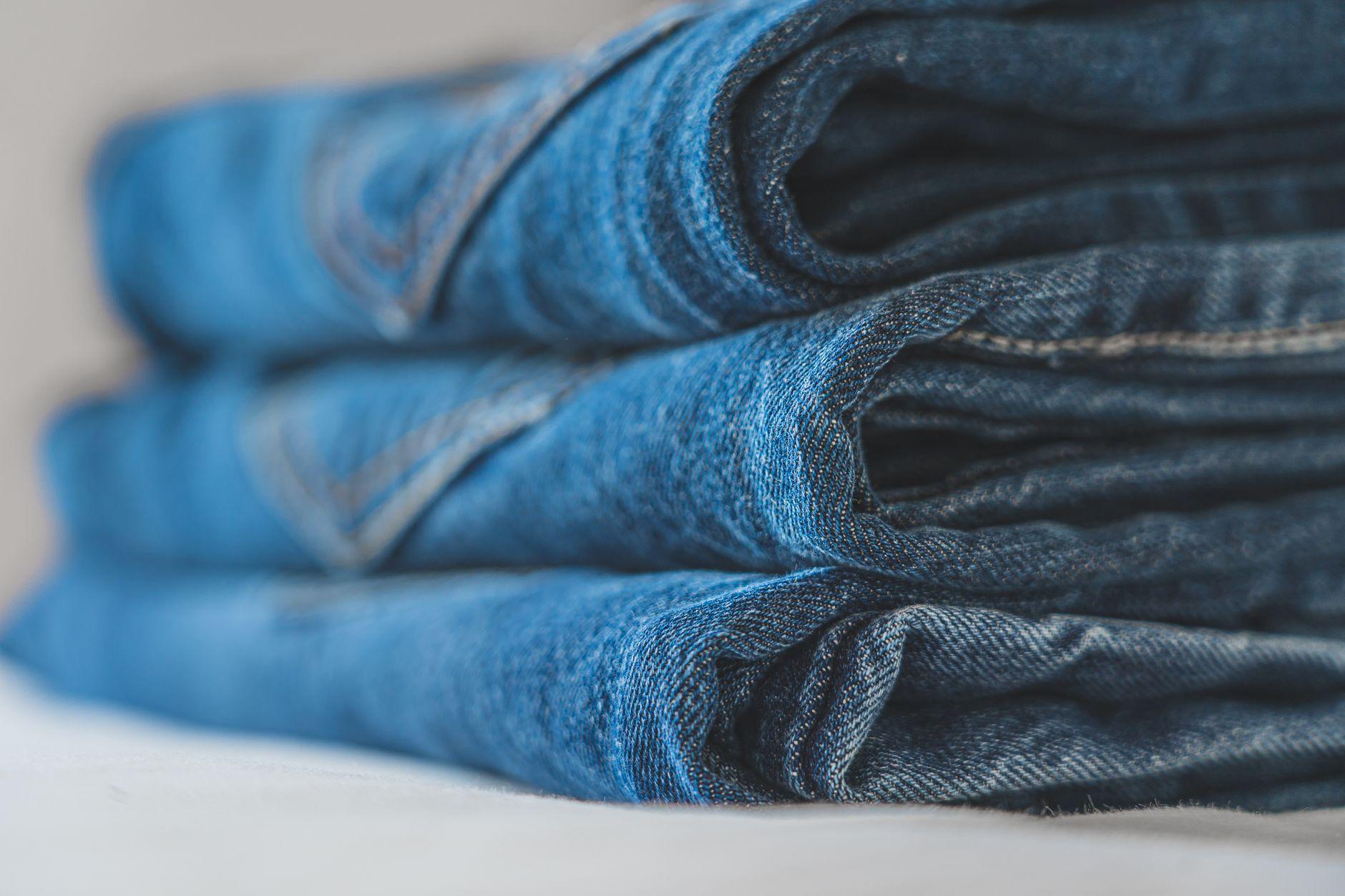
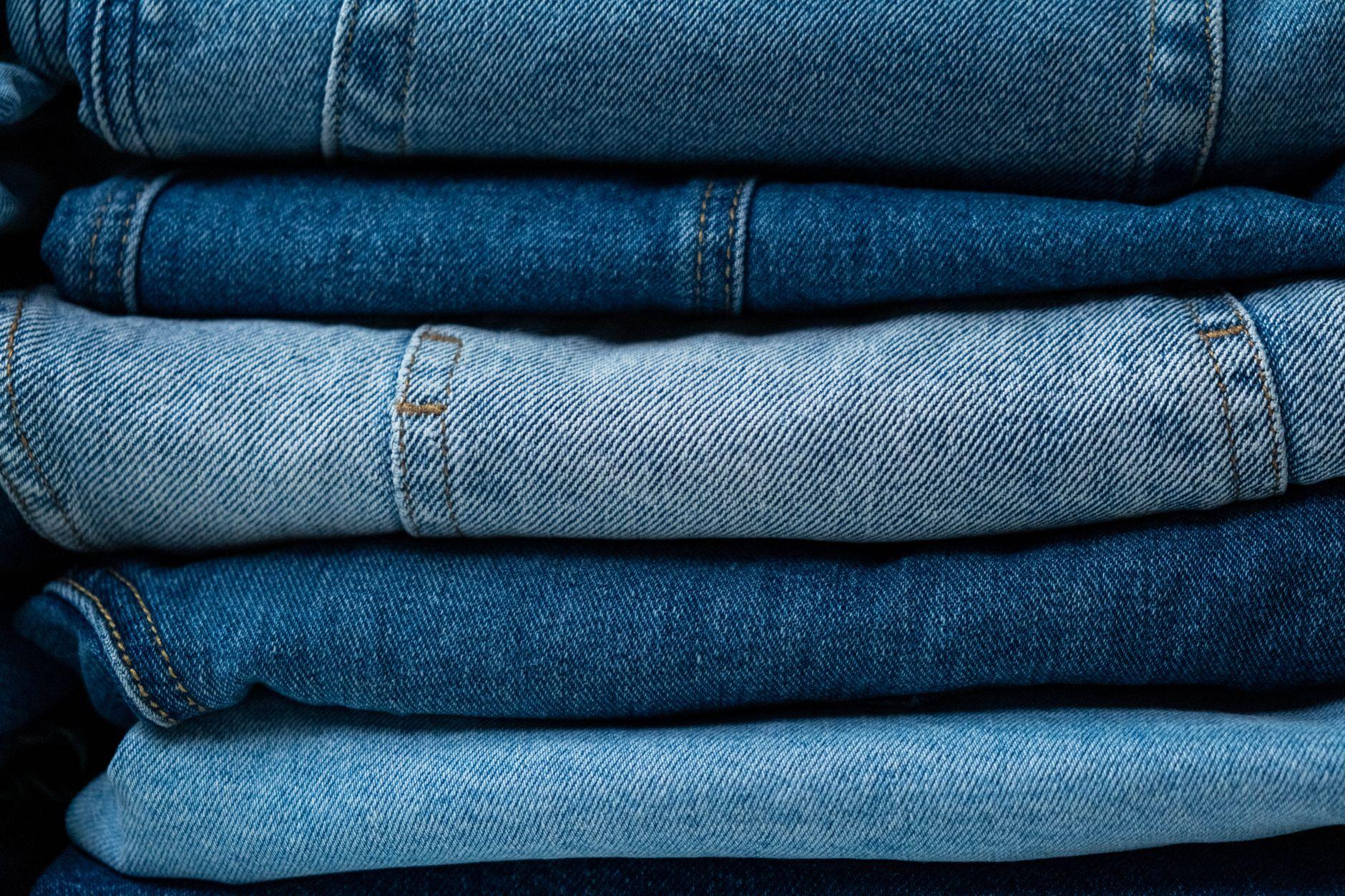
Knitwear, denim, and heavier fabrics should be folded rather than hung, as prolonged hanging can stretch fibers and distort shoulders. Fold these items loosely and store them in bins or drawers to prevent deep, permanent creasing.
Organizing Your Closet for an Easy Seasonal Swap
Effective closet organization for seasonal clothes turns a once-chaotic transition into a simple, repeatable process. Designate specific zones for current-season pieces, off-season storage, and items ready for cleaning before they go away.
Label bins and garment bags by category or season, and keep a simple inventory list so you always know what is stored and where. This small investment of time at each seasonal changeover saves considerable effort and protects your wardrobe for years to come.
A seasonal wardrobe transition done well protects more than fabric, it protects the investment behind every garment.
Ready to simplify your laundry?
Schedule your free pickup today and experience the difference.