
Fall Wardrobe Transition Care: How to Store Summer Clothes and Ready Your Winter Wardrobe
A practical, professional guide to the seasonal wardrobe transition—covering how to clean and store summer clothes, prep winter coats and sweaters, and protect everything from moths, mildew, and odor.
Why Proper Care Matters When Switching Seasonal Wardrobes
Every seasonal wardrobe transition is more than a matter of convenience—it is an opportunity to protect the life and appearance of your clothing. Garments that are folded away without proper cleaning or stored in the wrong conditions are far more likely to develop stains, odors, and fabric damage over the coming months.
Taking a methodical approach now saves time, money, and disappointment later. A little diligence at the changeover point pays dividends when you unpack your cold-weather pieces and want them ready to wear, not ready for the cleaners.

Step 1: Sort, Assess, and Declutter Before Storage
Before any clothing storage tips can be useful, start by sorting. Separate items you will store, items that need repair, and items you no longer wear. This is the ideal moment to assess wear patterns, loose buttons, or small tears that are easier to address now than after months in a garment bag.
Declutter honestly. Pieces that no longer fit your wardrobe or lifestyle are better donated than stored, freeing up space and attention for the garments that truly deserve careful preservation.
How to Clean Summer Clothes Before Storing Them
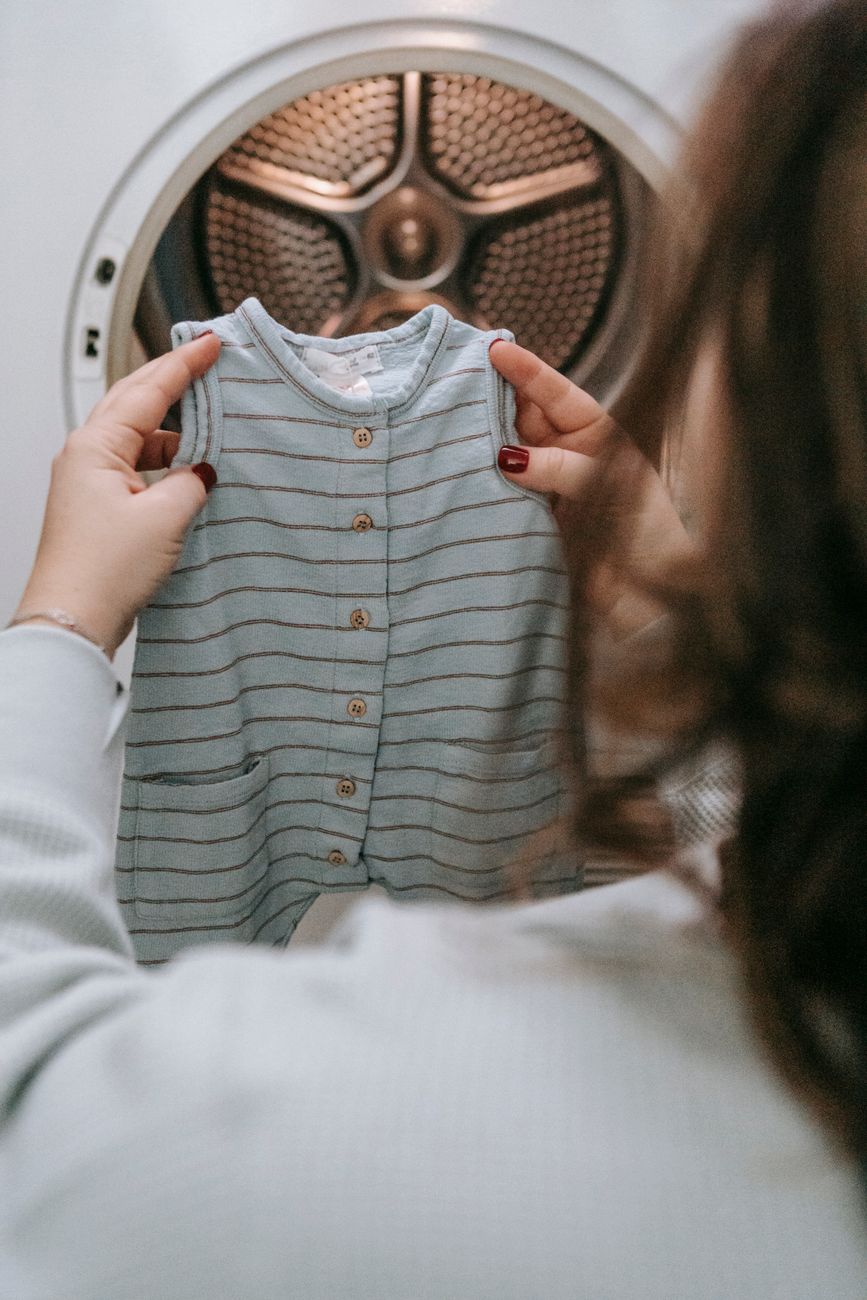
Storing summer clothes without cleaning them first is one of the most common—and costly—mistakes. Body oils, sunscreen, and invisible perspiration residue can set into fabric over time, attracting pests and causing yellowing or weakened fibers even if a garment looks clean.
This is precisely why dry cleaning before storage matters. Professional cleaning removes residues that home washing may miss, and ensures linens, cottons, and delicate summer fabrics are stored in pristine, stable condition, ready to wear again next year without a musty smell or surprise stain.
A seasonal wardrobe transition done properly means every garment you put away is a garment you can trust when you take it out again.


Prepping Fall and Winter Garments for Wear
As you bring cold-weather pieces out of storage, inspect them before wearing. Check for creasing, odor, or any signs of moisture damage from their time in storage. A professional press or light cleaning restores shape and freshness, particularly for wool and structured outerwear.
Understanding how to store winter coats properly the previous spring makes this step much easier. Coats stored clean, on sturdy shoulder-shaped hangers, in breathable garment bags typically emerge ready for another season with minimal intervention.
Best Practices for Storing Delicate and Specialty Fabrics
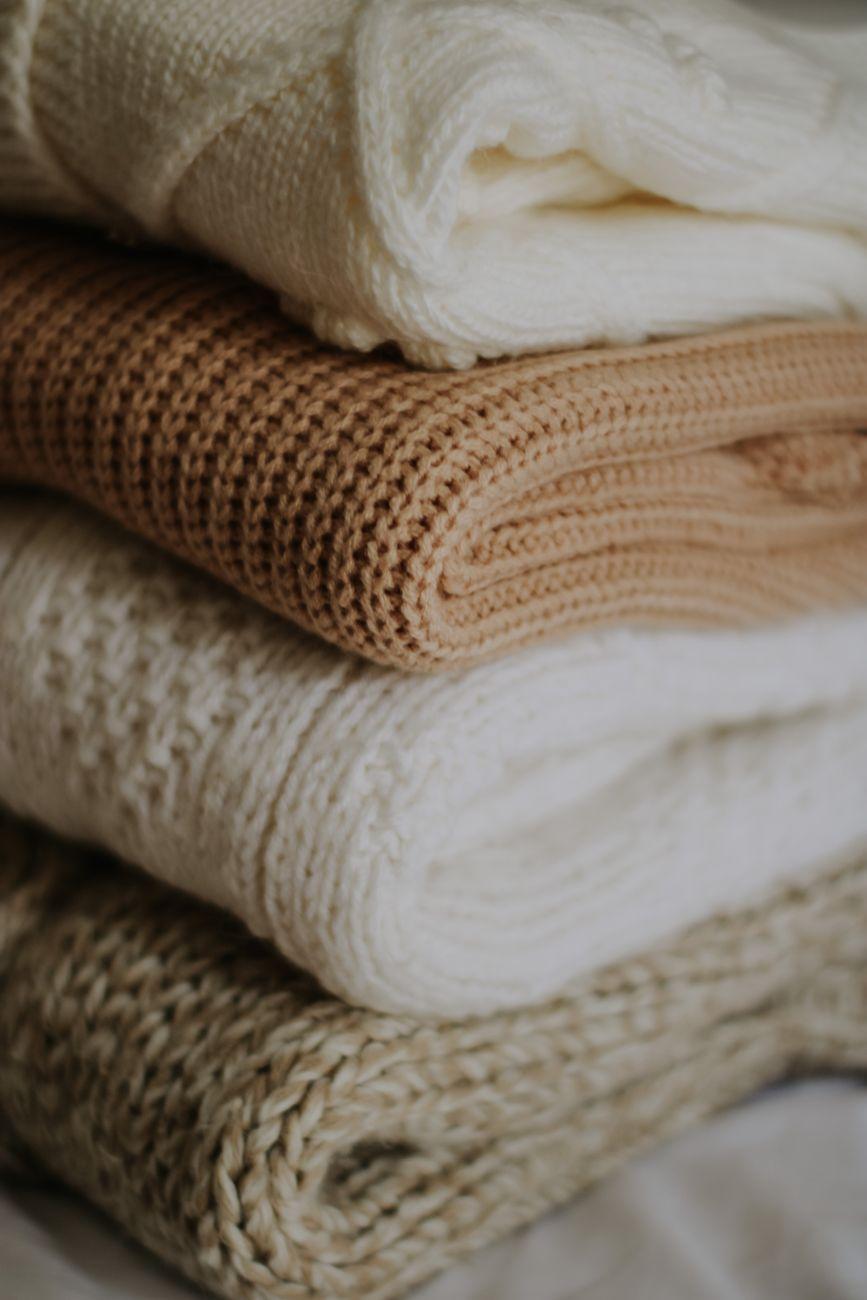
Cashmere, silk, wool, and other specialty fabrics require particular attention. Following sound sweater care tips means always cleaning knitwear before folding it away, since stored sweaters should never be hung, as this stretches the shoulders and neckline over time.
Use acid-free tissue paper for delicate folds, and store specialty items flat in breathable containers away from direct light. Cedar accessories can help protect wool fibers naturally, but they are not a substitute for proper cleaning beforehand.
Protecting Stored Clothes from Moths, Mildew, and Odor
Moths are drawn to natural fibers with any trace of organic residue, which is why cleanliness is your best defense. Store garments in sealed, breathable bags rather than plastic, which can trap moisture and encourage mildew. Cedar blocks, lavender sachets, and a cool, dry storage environment all add further protection.
Check stored items periodically throughout the off-season. Catching an issue early—whether a stray moth or a hint of dampness—prevents small problems from damaging an entire wardrobe.
Ready to simplify your laundry?
Schedule your free pickup today and experience the difference.